 vi
vi
 en
en
 ja
ja



Recently, the Ho Chi Minh City Tax Department launched and began operating an AI-powered hotline and integrated tax information into digital payment platforms to help taxpayers access information quickly, accurately and securely. As part of the event, FPT was among the organizations that signed a Memorandum of Understanding (MoU) with the Ho Chi Minh City Tax Department to expand cooperation in AI adoption and comprehensive technology solutions, with the aim of improving management efficiency, engagement and public services.
The announcement ceremony was attended by representatives of central and city authorities, tax-sector agencies, technology companies, banks, digital payment platforms, business communities, associations, local tax offices, and press and media organizations. During the program, the Ho Chi Minh City Tax Department introduced the system’s operating model, conducted a live demonstration of the AI solution and officially activated the system for pilot deployment. The program was connected to 29 local tax offices.
In the context of a large-scale economy, the number of taxpayers and the volume of data managed in Ho Chi Minh City are increasing, making digital transformation and innovation in tax management methods increasingly urgent. This has encouraged the Ho Chi Minh City Tax Department to strengthen its use of data, AI and digital technologies, with the goal of building a modern and intelligent tax administration model that optimizes resources, uses data and technology as its foundation, and places citizens at the center its service.
Speaking at the event, Mr. Doan Minh Dung, Head of the Ho Chi Minh City Tax Department, emphasized: “Technology can change the way we operate, but it is dedication, commitment, effort and partnership that build lasting trust.” According to him, this also serves as a guiding principle for the Ho Chi Minh City Tax Department as it gradually brings new technologies into tax administration in a systematic, transparent and professional manner. The deployment of the AI-powered hotline is considered a concrete step in this process.
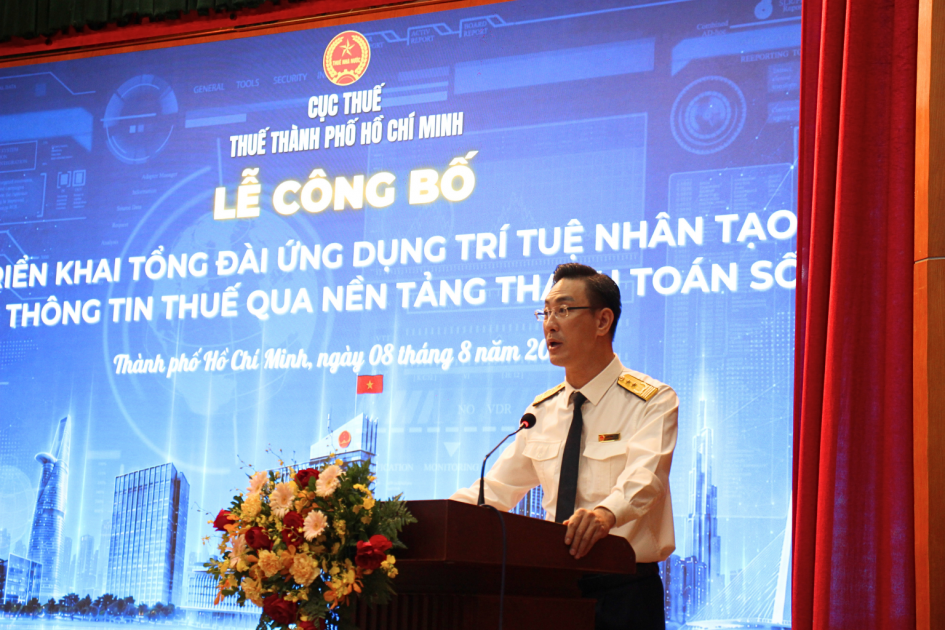
Image 1. Mr. Doan Minh Dung, Head of the Tax Department of Ho Chi Minh City, speaking at the event
The AI-powered hotline can provide tax information quickly and in a timely manner based on predefined scenarios and datasets. It also supports the automation of certain activities, such as debt reminders, notifications that a taxpayer’s exit from the country has been temporarily suspended and follow-up on tax obligations. In addition, providing an official communication channel from the tax authority can help individuals and businesses identify and avoid fraudulent activities involving impersonation of tax authorities or tax officials online.
Automating repetitive tasks is also expected to reduce part of the operational workload for tax officials, allowing them to devote more time to consultation, guidance and specialized support. However, according to Ho Chi Minh City Tax Department leadership, AI is intended as a support tool rather than a replacement for humans. Ultimately, the effectiveness of digital transformation will continue to be assessed through data quality, operational efficiency, the dedication of tax officials, and the convenience and satisfaction of taxpayers.
This direction is also aligned with the new requirements introduced by the Law on Tax Administration No. 108/2025/QH15, which took effect on 1 July 2026 and promotes digital transformation, the automation of business processes, and the use of data and AI in tax administration.
Reflecting on these practical requirements, Mr. Nguyen Hoa Bac, Head of the Data Governance and Risk Management Division at the Ho Chi Minh City Tax Department, said that the tax authority currently manages more than 350,000 businesses, 650,000 household businesses and more than 8 million individual taxpayers. This scale has led to growing demand for information and support, while hotline channels face operational resource constraints. Approximately 85% of support requests are relatively simple, such as inquiries about addresses, tax obligations or outstanding tax debts, and could be automated. This provided the basis for the Ho Chi Minh City Tax Department to deploy the AI-powered hotline, initially focusing on tax debt reminders.
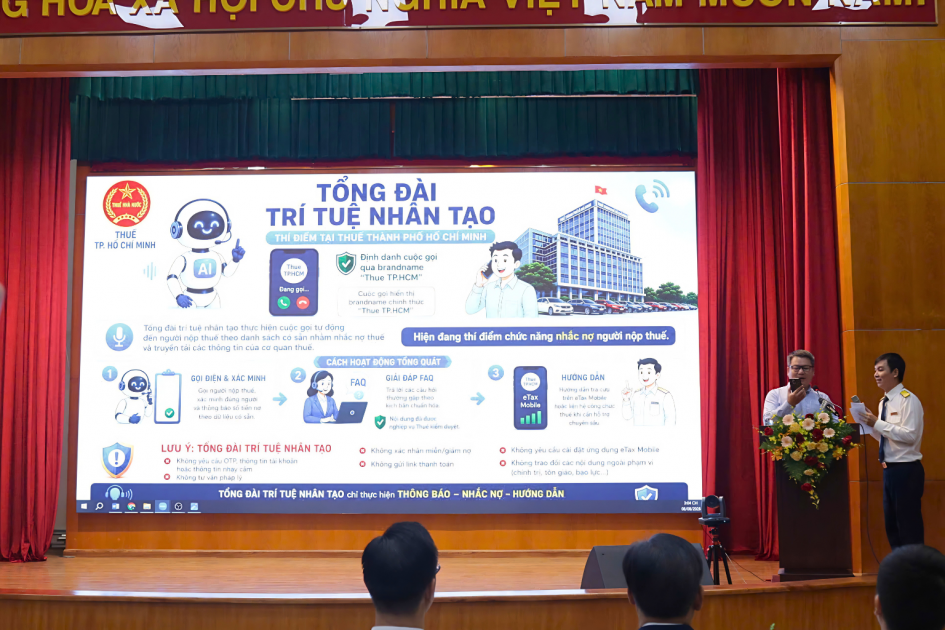
Image 2. Live Demo of the Ho Chi Minh City Tax Department’s AI Call Center
At the event, delegates and attendees were able to watch a live demonstration and interact with the system through automated calls from the hotline. They heard the AI make calls to remind taxpayers about outstanding tax debts and follow up on tax obligations, providing a clearer understanding of how the system operates and how information from the tax authority is communicated to taxpayers.
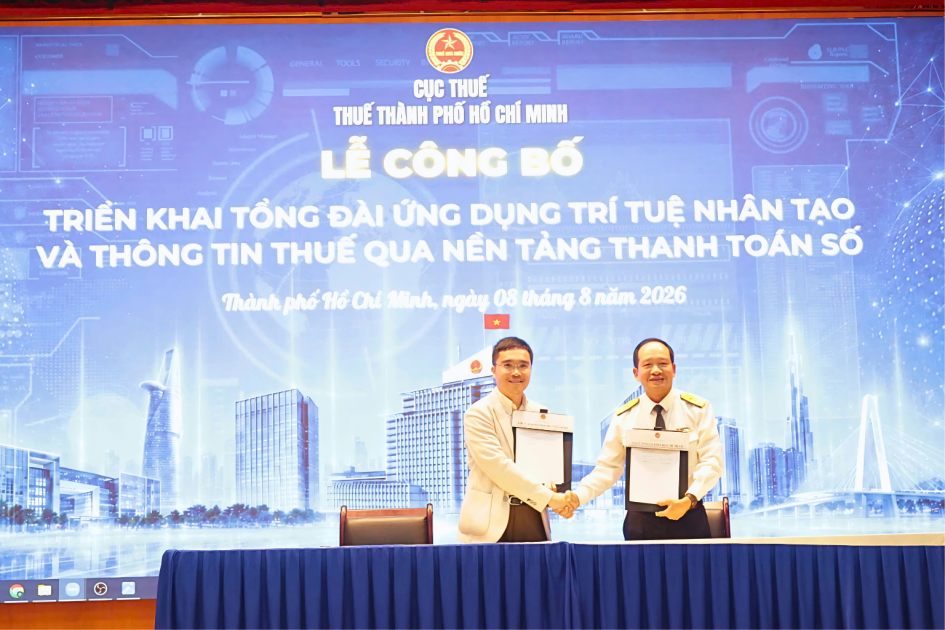
Image 3. Ho Chi Minh City Tax Department and FPT Group sign memorandum of cooperation on digital transformation
At the ceremony, delegates witnessed the signing of a memorandum of cooperation between the Ho Chi Minh City Tax Department and technology, banking and digital payment partners, including FPT Corporation.
The cooperation between the Ho Chi Minh City Tax Department and FPT aims to jointly research and apply technology to strengthen tax administration capabilities and provide more convenient and effective services for citizens and taxpayers. Previously, in November 2025, the Ho Chi Minh City Tax Department and FPT Corporation signed a cooperation agreement for the 2025–2026 period, focusing on technology adoption to improve management efficiency and optimize internal business processes.
Building on this partnership, FPT will continue to work alongside the Ho Chi Minh City Tax Department to bring technology initiatives from research and testing into practical implementation. The collaboration aims to gradually strengthen data- and technology-driven tax administration and services for taxpayers, contributing to the implementation of Resolution No. 57-NQ/TW.
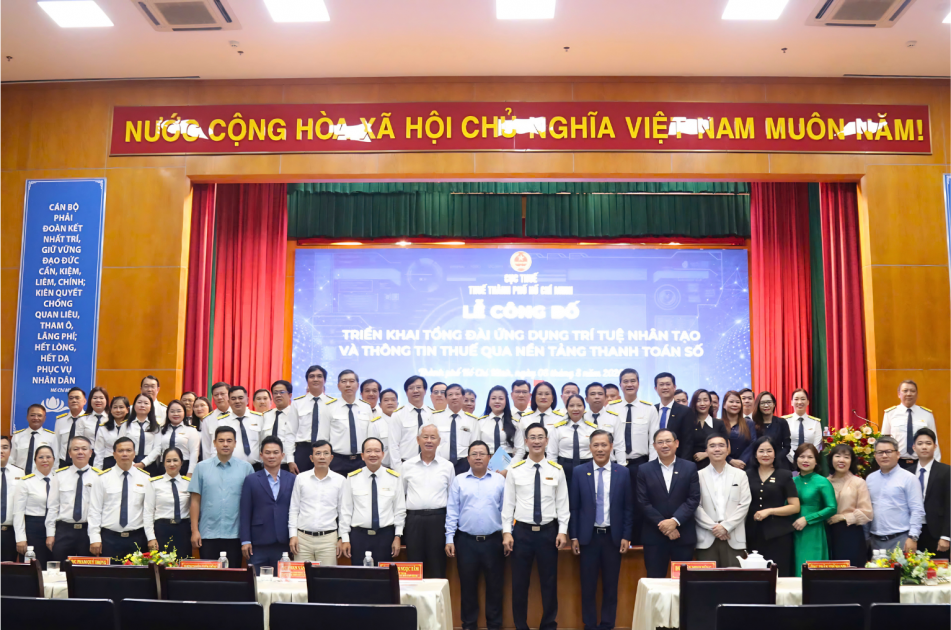
Image 4. The launch ceremony for AI application call center and tax information via digital payment platform, held at the Ho Chi Minh City Tax Department was a success
Over the past three decades, FPT has developed more than 20 core IT systems for Vietnam’s tax sector, from early computerization systems to centralized management systems and nationwide data platforms. Systems supporting tax administration and personal income tax management have made important contributions to the modernization of tax administration, enabling the effective use of large-scale data, strengthening transparency and meeting increasingly demanding requirements under government resolutions on digital infrastructure, digital government and the digital economy.