vi
vi
 en
en
 ja
ja



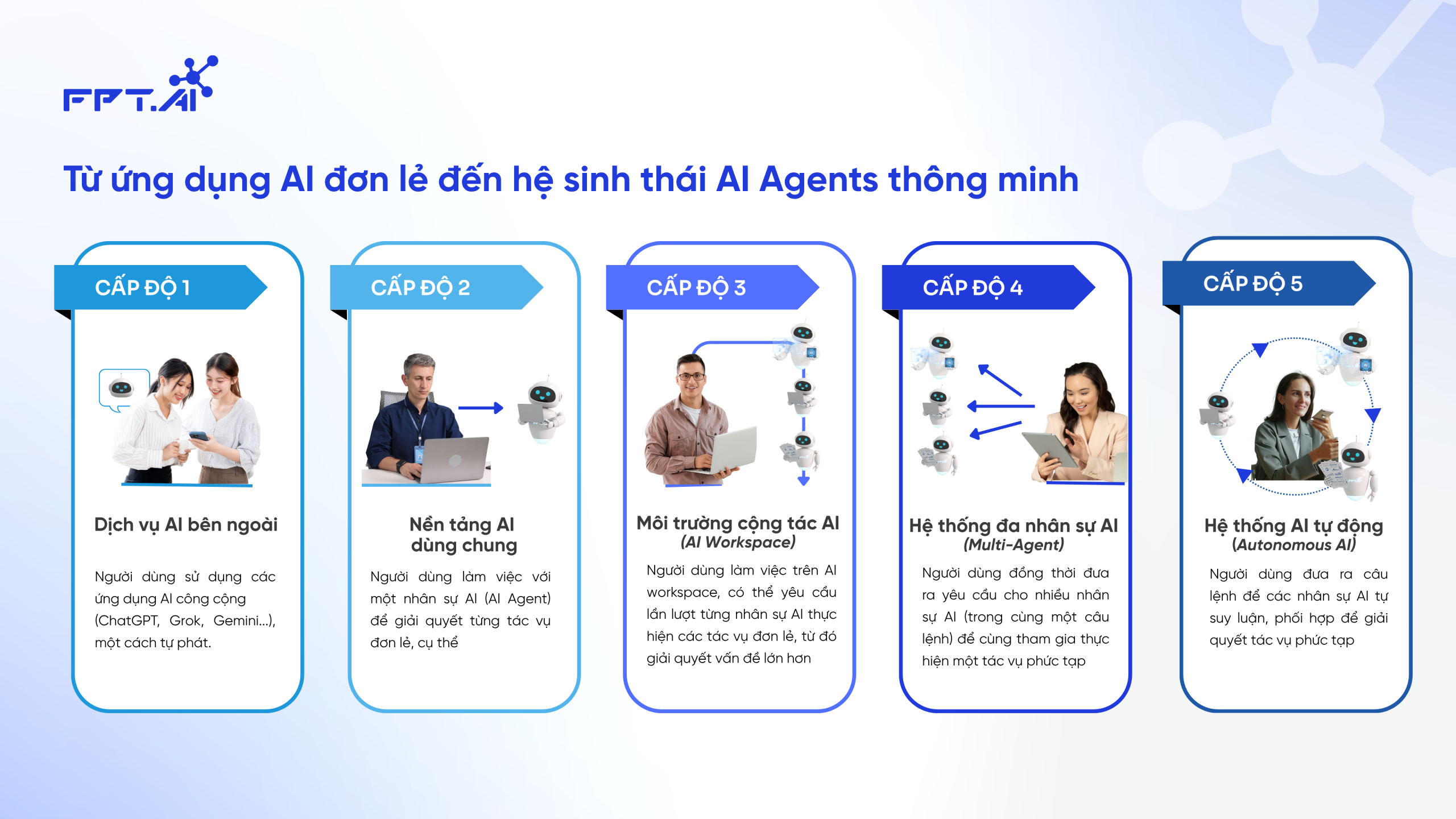
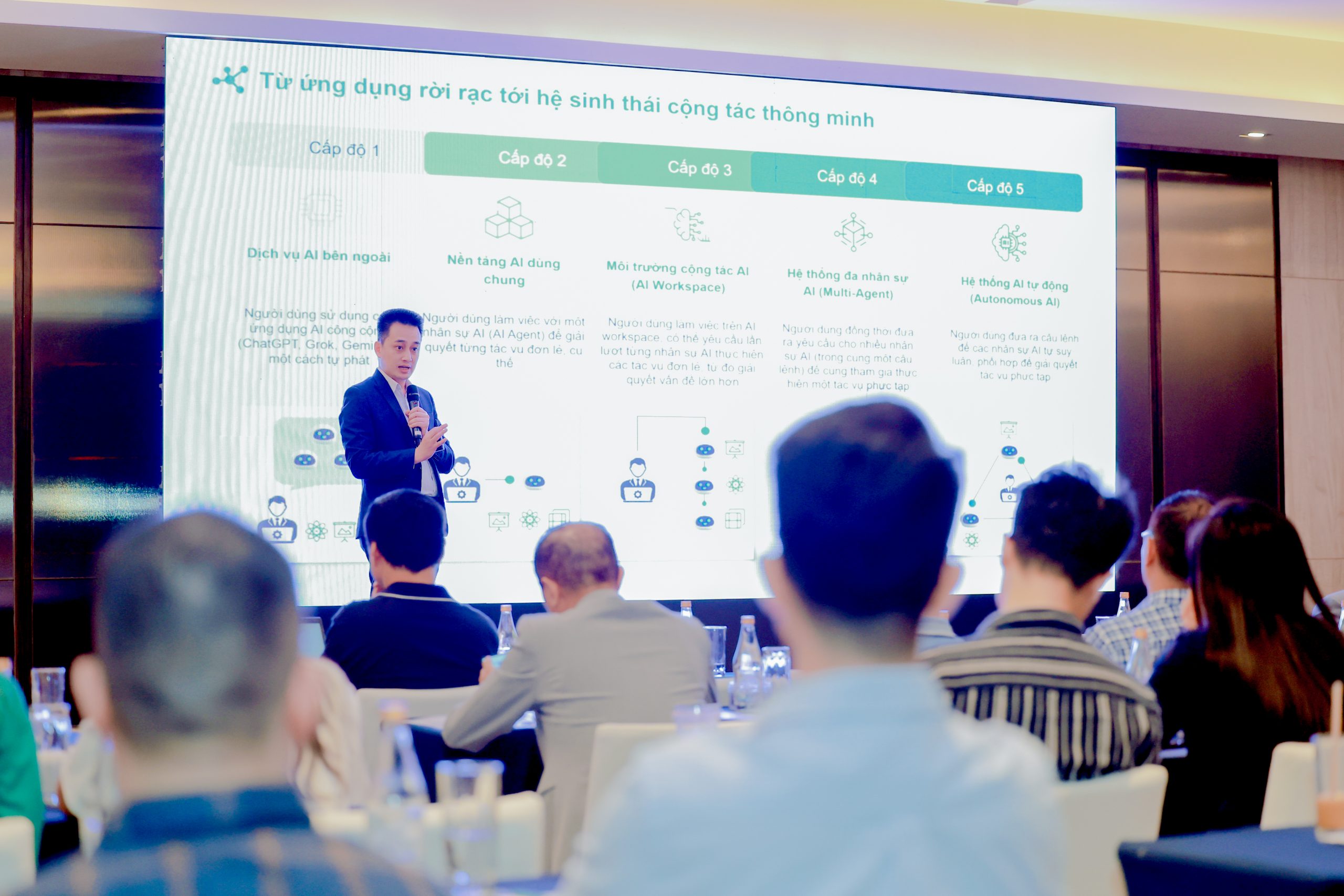
As AI adoption accelerates across industries, manufacturing is shifting beyond traditional automation toward more autonomous and adaptive AI systems. Unlike generative AI, which typically relies on prompt-by-prompt user interactions, AI agents can analyze data, develop plans, make decisions, and independently complete multi-step tasks to achieve specific business objectives.
Advances in Generative AI, Large Language Models (LLMs), and enterprise data infrastructure have made AI agents capable of supporting complex manufacturing operations. Today, manufacturers no longer expect AI to only answer queries or act as basic assistants; they want AI to seamlessly coordinate with ERP, MES, IoT, SCADA, and other management software to automate complex processes and minimize human intervention.
Within modern factories, AI agents function as digital coordinators that continuously monitor real-time operational data, identify anomalies, generate recommendations, and initiate appropriate actions automatically. The result is higher productivity, lower operation costs, improved product quality, and greater agility in responding to changing market conditions.
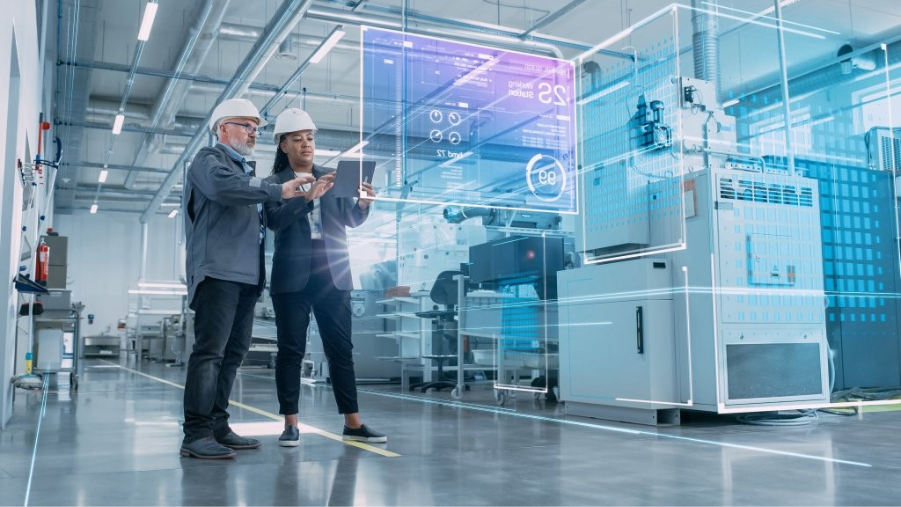
Below are eight practical AI agent applications that manufacturers are currently exploring and implementing.
Predictive Maintenance: Reducing Unexpected Downtime
Unexpected equipment failures can disrupt production lines and result in significant financial losses. AI agents enable manufacturers to move from scheduled maintenance toward predictive maintenance by continuously analyzing data, such as temperature, vibration, pressure, and electrical current.
When an anomaly is detected, the AI agent can:
- Alert maintenance teams before failures occur.
- Assess the severity of issues and prioritize maintenance accordingly.
- Recommend or automatically schedule maintenance activities.
- Verify spare part availability and request re-purchase if necessary.
By anticipating equipment failures before they happen, manufacturers can minimize unplanned downtime while sustaining equipment lifespan.
AI Vision for Quality Control
Combined with industrial cameras and computer vision technologies, AI agents can inspect product quality in real time with high speed and accuracy.
Beyond identifying surface defects, dimensional inaccuracies, or missing components, AI agents can also:
- Classify defects based on severity.
- Identify manufacturing stages where defects are most likely to occur.
- Analyze defect rates across production lines or production shifts.
- Recommend process improvements to reduce product defects.
Automated inspection improves consistency while reducing human error throughout the quality control process.
Intelligent Production Planning and Scheduling
Production planning requires balancing customer demand, equipment capacity, workforce availability, and material supply. AI agents evaluate information from multiple systems to:
- Generate optimized production schedules.
- Allocate resources across manufacturing lines.
- Adjust production plans in response to urgent orders or equipment failures.
- Minimize waiting times while maximizing production capacity.
With continuous analysis and optimization, AI agents help manufacturers respond more quickly to changing market demand.
Inventory and Material Management
Excess inventory increases storage costs, while material shortages can interrupt production. AI agents continuously monitor inventory alongside production schedules and past material usage data to:
- Forecast material demand.
- Identify risks of overstocking or shortages.
- Recommend optimal purchasing times.
- Automatically generate procurement requests according to company workflows.
This enables manufacturers to balance inventory costs while maintaining uninterrupted production.
Training Engineers and Employees with AI Mentor
As a highly specialized field, the training process for personnel in the manufacturing industry takes significantly more time than in many other industries. AI-powered learning solutions help shorten onboarding periods and improve the overall learning experience for factory employees
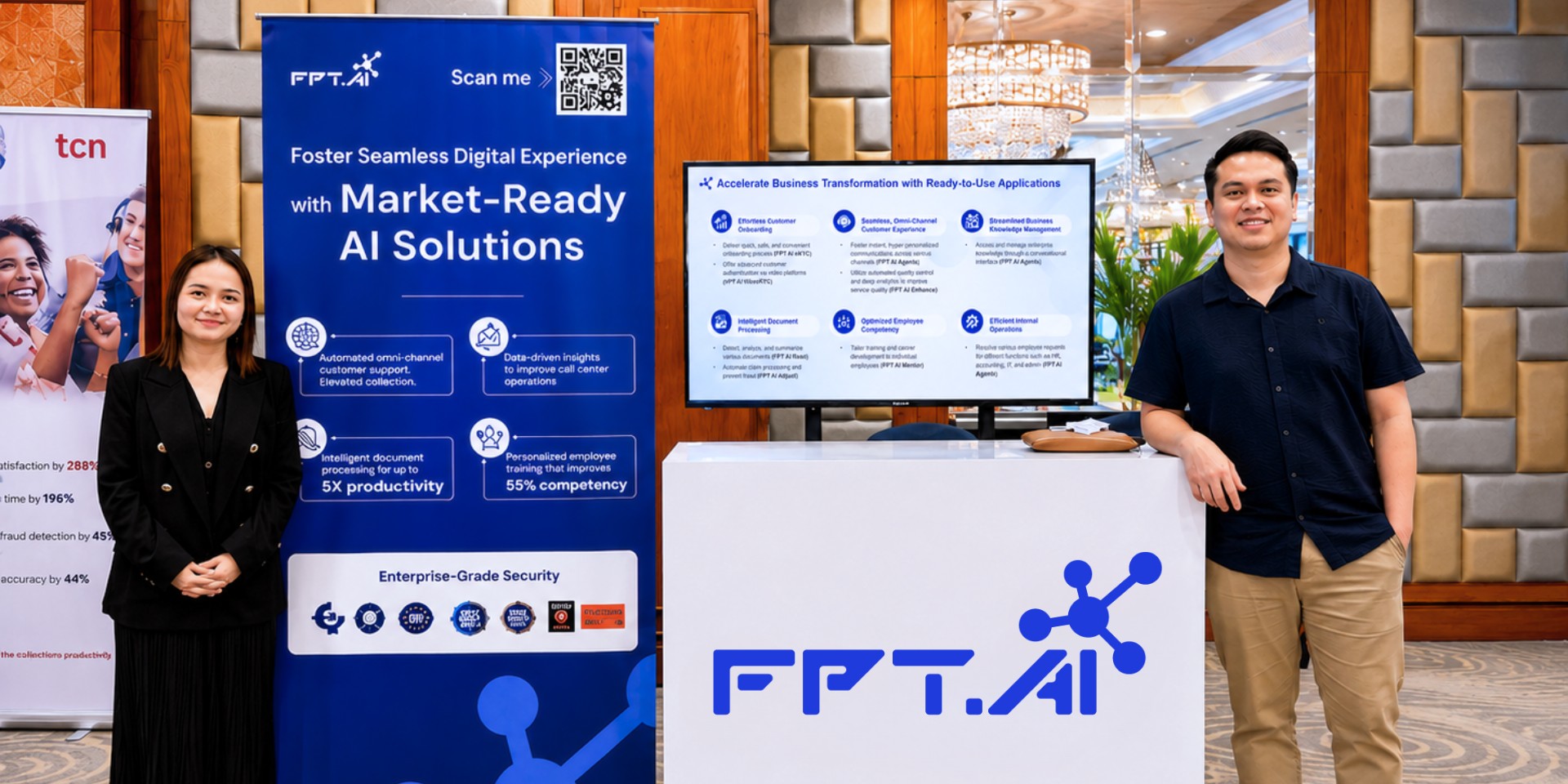
Mishima Kosan, one of Japan’s leading manufacturing companies, recently adopted FPT AI Mentor, providing employees with personalized training programs. Training programs are accessible on smartphones, enabling employees to learn at any time and in any location.
A key strength of the solution lies in its ability to combine FPT-developed Large Language Models (LLMs) with industry-specific expertise. This enables AI Mentor to adapt to each organization’s unique operational processes and workplace culture.
Designed as a continuously evolving learning system, AI Mentor improves through real-world usage. Employees can provide direct feedback; for instance, by reporting inaccurate responses, which allows the system to continuously incorporate practical knowledge and operational experience from its users. As a result, the platform becomes increasingly intelligent and better aligned with the organization’s evolving needs.
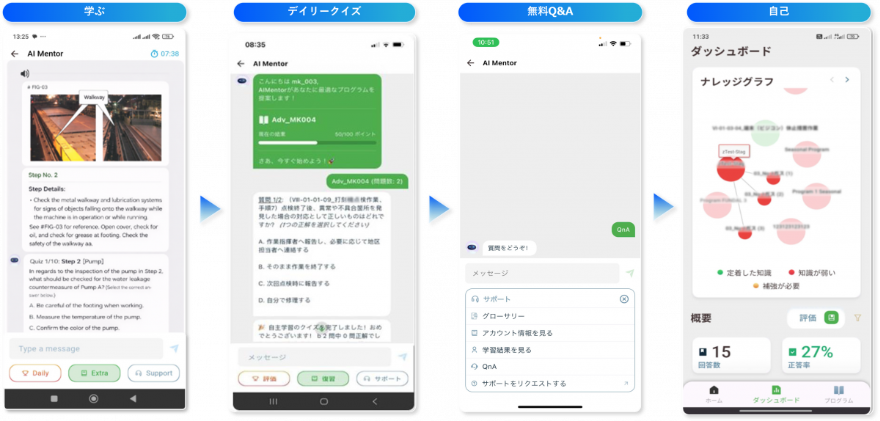
Image 2. FPT AI Mentor’s Japanese user interface
Energy Monitoring and Operational Cost Optimization
Electricity, water, compressed air, and fuel represent significant operating expenses for many manufacturers. AI agents continuously analyze energy consumption to:
- Identify underperforming equipment.
- Detect machines operating under prolonged overload conditions.
- Analyze abnormal energy consumption patterns.
- Recommend cost-effective solution to reduce operating costs.
These insights help manufacturers improve energy efficiency without compromising production performance.
Supply Chain and Logistics Management
AI agents can monitor material supply, production progress, and delivery schedules across the entire supply chain. When potential delays or supply disruptions are identified, the system can:
- Assess the impact on production schedules.
- Recommend operational adjustments.
- Suggest alternative suppliers or resource reallocation.
- Notify relevant departments to coordinate timely responses.
This enables manufacturers to reduce supply chain risks while maintaining stable operations.
Automated Reporting and Decision Support
Manufacturing managers often spend considerable time gathering and analyzing information from multiple systems before making operational decisions. AI agents automate reporting across key performance indicators, including:
- Production output by shift or production line.
- Product defect rates.
- Equipment utilization.
- Production progress by order.
- Operational metrics such as Overall Equipment Effectiveness (OEE) and production KPIs.
AI agents go beyond presenting data. They identify root causes behind performance changes, detect emerging trends, and recommend actions that improve operational efficiency and decision-making.
Conclusion
AI agents are initiating a new phase of manufacturing, where AI not only supports employees but also actively collaborates, analyzes information, and executes complex operational workflows. From predictive maintenance and quality control to production planning, supply chain management, and decision support, these applications enable manufacturers to improve productivity, optimize costs, and strengthen resilience in an increasingly competitive market.
As enterprise data and digital infrastructure continue to mature, AI agents are expected to become a core component of the smart factory. By enabling more intelligent, adaptive, and autonomous operations, they will play an important role in helping manufacturers build flexible, efficient, and sustainable production environments.